
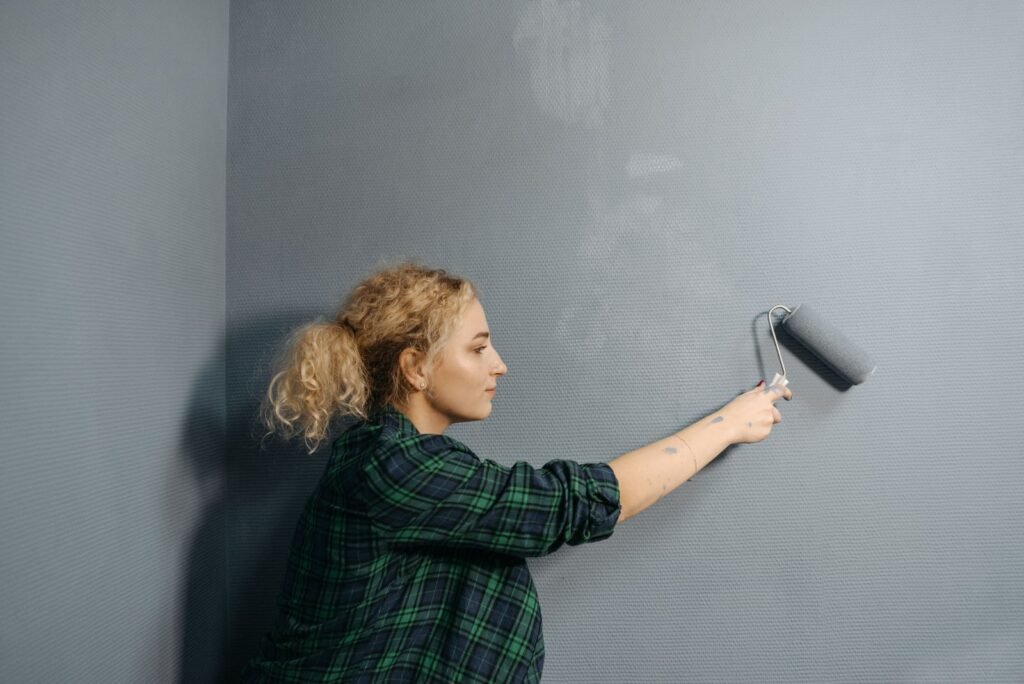
A fresh coat of paint changes how a home feels — and a bad paint job is impossible to ignore, from patchy walls to paint peeling off after one monsoon. Most problems come from rushed surface preparation, the wrong paint for the wall, or unclear quotes. Here is how to plan house painting, choose painters and avoid the usual disputes.
Interior or exterior: different paints for different jobs
- Interior walls: emulsions in different finishes (matt, satin, sheen). Washable finishes suit kitchens and children’s rooms.
- Exterior walls: exterior emulsions made to handle sun and rain. Ask about waterproofing for walls that face heavy rain.
- Wood and metal: enamel or wood finishes, not wall paint.
Preparation decides the result
A good painter spends a large part of the job preparing the wall:
- Scraping loose paint and filling cracks.
- Putty where the wall is uneven, then sanding.
- Primer before the colour coats.
- Usually two coats of the final paint.
Ask how many coats of putty, primer and paint are included — this is where quotes differ most.
How to estimate the paint you need
Paint cans print a coverage figure (area per litre per coat). Measure your walls (length × height, minus doors and windows), multiply by the number of coats, and divide by the coverage. Porous or new walls take more paint. Your painter should show you this calculation.
How painters usually quote
- Per square foot, labour only — you buy the paint.
- Per square foot, with material — make sure the brand, product name and number of coats are written.
- Lump sum for the whole job — ask for the breakdown.
Whichever way, get it in writing: rooms included, surfaces (walls, ceilings, grills, doors), preparation steps, brand and product, number of coats, and who moves and covers furniture.
How to choose a painter
- See a recent finished job, in person if possible.
- Ask about covering floors and furniture and cleaning up afterwards.
- Agree the timeline, especially if you will live in the house during work.
- Pay in stages; keep the final payment until you have checked every wall in daylight.
Before you pay the final amount
- Check walls in daylight from an angle for patches and brush marks.
- Check edges along ceilings, switches and window frames.
- Make sure floors and fittings are cleaned.
- Ask for leftover paint, labelled by room, for future touch-ups.
Find a painter
Look for painters with a real address and photos of their own work. Browse checked local businesses and read how to check a business before paying. Painting contractor? List your business free.
Frequently asked questions
How many coats of paint does a wall need?
Usually a primer and two coats of the final paint, plus putty where the wall needs it. Your painter should confirm based on the wall’s condition.
How do I calculate how much paint I need?
Measure the wall area, multiply by the number of coats and divide by the coverage printed on the can.
What is the difference between interior and exterior paint?
Exterior paint is made to resist sun and rain; interior paint focuses on finish and washability.
Should I buy paint myself or let the painter buy it?
Either is fine if the brand, product and quantity are agreed in writing and you see the sealed cans.
When is the best time to paint a house?
Dry weather is best, especially for exterior walls. Avoid heavy monsoon days.